

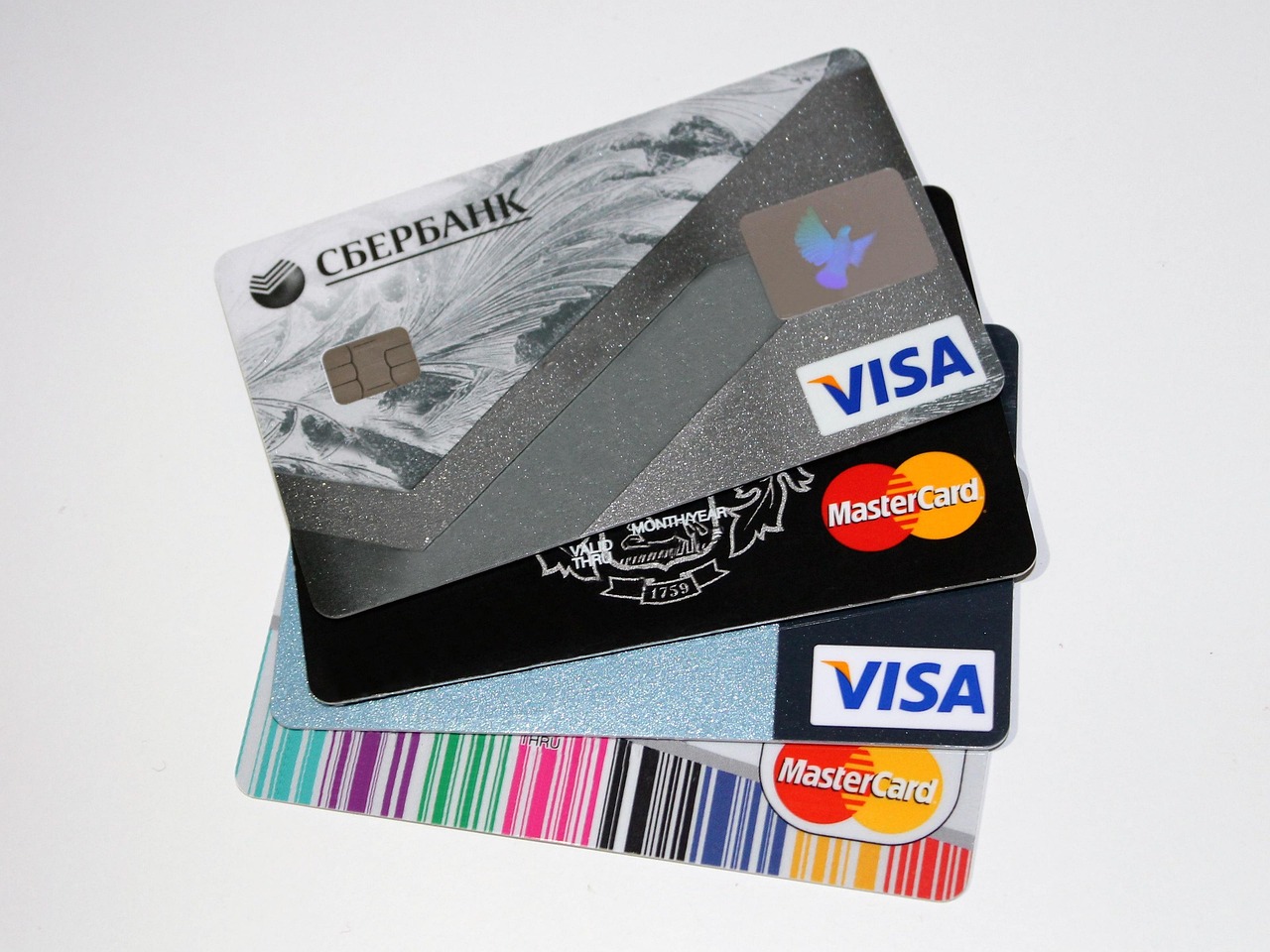
Introduction: Understanding Modern Financial Tools
In today’s world, financial literacy is no longer a luxury — it’s a necessity. Whether you are a student planning your future, a working professional balancing expenses, or a business owner managing operations, having the right financial tools can make all the difference. Among the most widely used financial products are credit cards, loans, and insurance. These instruments are designed to give you flexibility, security, and peace of mind in handling money.
At Skyworlds India Digital Solutions Pvt. Ltd., we believe that financial well-being is the cornerstone of a secure life. Our mission is to simplify complex financial concepts and provide clarity to individuals and businesses so they can make confident choices. One of the most frequently asked questions we encounter is: What is a credit card and how does it really work?
A credit card is more than just a plastic card or a digital number stored in a mobile app. It is a tool of financial convenience that lets you borrow money from a bank or financial institution within a pre-approved limit. With the rise of e-commerce, online banking, and digital payments in India, credit cards have become an essential part of modern finance. But while they offer numerous benefits, they also come with responsibilities. Misusing a credit card can lead to debt, while responsible use can improve your financial standing.
This blog post is a comprehensive 6000-word guide designed to give you everything you need to know about credit cards: from their origin and working to their benefits, risks, and best practices. Along the way, we’ll also compare them with loans and insurance, showing you how each financial tool plays a role in building your financial future.

What is a Credit Card?
A credit card is a payment card issued by a bank or financial institution that allows you to borrow funds to pay for goods and services. Unlike a debit card, which deducts money directly from your bank account, a credit card lets you make purchases on credit, which you repay later.
A Brief History of Credit Cards
The concept of buying now and paying later has existed for centuries. In the 1950s, the first universal credit card, the Diners Club Card, was launched in the U.S. It allowed members to dine in restaurants without carrying cash. By the 1970s and 1980s, major companies like Visa and Mastercard brought credit cards to the global market. Today, credit cards are not just physical; digital wallets and virtual cards have transformed the way we spend.
The Role of Credit Cards in India
In India, credit cards gained popularity in the 1990s with the liberalization of the economy. Today, millions of Indians use them for shopping, travel, bill payments, and emergencies. Banks and financial institutions compete by offering cards tailored to different lifestyles — from cashback cards for shoppers to travel cards for frequent flyers.
At Skyworlds India Digital Solutions Pvt. Ltd., we specialize in helping individuals and businesses choose the right financial products. For someone new to the system, a credit card may seem intimidating. But with proper guidance, it becomes a valuable financial partner.
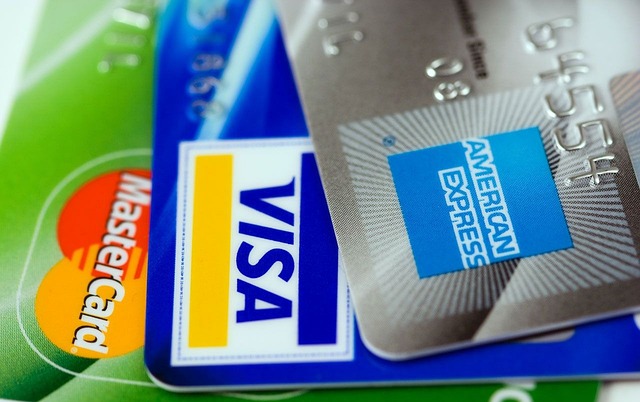
How Credit Cards Work
To truly understand a credit card, you need to know how it functions in practice.
1. Application Process
To get a credit card, you apply through a bank, NBFC, or financial partner. They evaluate your income, employment, and credit score. Based on this, they decide whether to approve your card and how much limit to grant.
2. Credit Limit
Your credit card comes with a credit limit, which is the maximum amount you can borrow. This is based on your income and repayment history. For example, if your card limit is ₹1,00,000, you cannot spend more than that until you repay some amount.
3. Billing Cycle
Credit cards operate on a billing cycle, usually 30 days. At the end of each cycle, the bank generates a statement showing:
- Total outstanding balance
- Minimum amount due
- Due date for payment
4. Repayment Options
You can choose to pay:
- Full amount (best option, avoids interest)
- Minimum due (smallest required payment, but the rest attracts high interest)
- Partial payment (reduces balance, but remaining amount still accrues interest)
5. Interest Rates
Credit cards charge some of the highest interest rates in the financial market, usually between 24%–48% per year if you don’t pay the full bill. That’s why timely repayment is crucial.
6. Rewards and Benefits
Most cards come with reward programs:
- Cashback on purchases
- Airline miles for frequent flyers
- Shopping discounts
- Fuel surcharge waivers
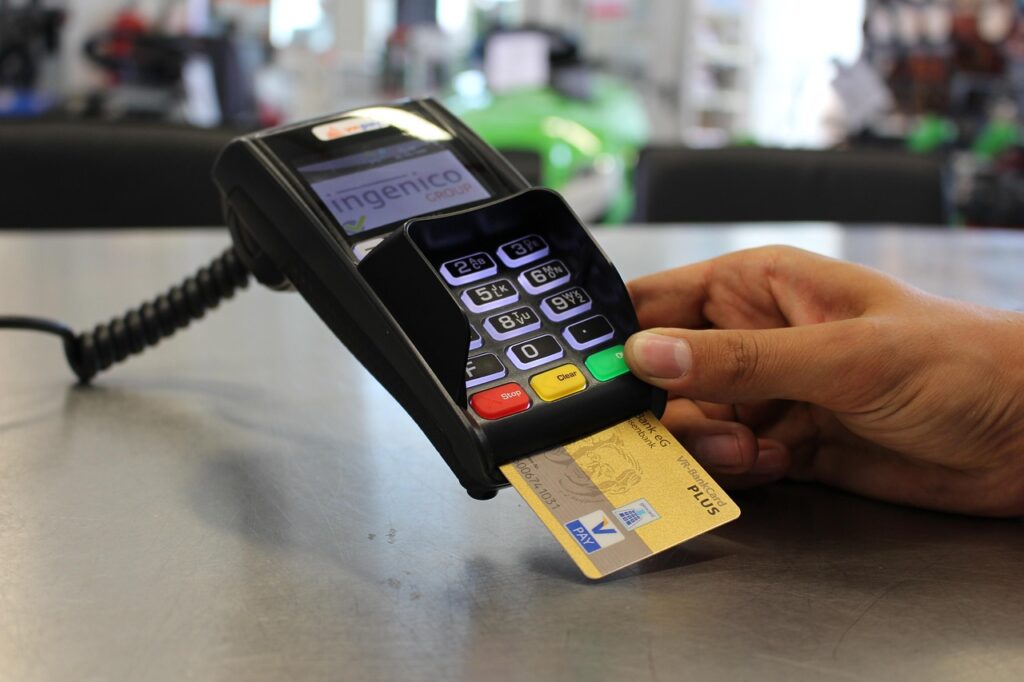
Types of Credit Cards
Credit cards are not “one-size-fits-all.” Banks design cards to meet specific customer needs.
- Standard Credit Cards – Basic cards with simple features.
- Premium Cards – Gold, Platinum, and Black cards offering luxury benefits.
- Rewards Cards – Earn points for every purchase, redeemable for vouchers or gifts.
- Cashback Cards – Refund a percentage of your spending directly as cash.
- Business Credit Cards – Help entrepreneurs manage expenses.
- Co-branded Cards – Partnered with airlines, retail stores, or fuel companies.
Benefits of Credit Cards
- Convenience: No need to carry cash.
- Security: Fraud protection and dispute resolution.
- Builds Credit Score: Good repayment history boosts CIBIL score.
- Emergency Use: Quick access to funds in urgent situations.
- Global Acceptance: Use abroad without currency hassles.
- Exclusive Offers: Discounts on dining, shopping, travel, etc.
Risks of Using Credit Cards
While useful, credit cards come with risks if not managed responsibly:
- Overspending temptation
- Debt trap due to high interest
- Hidden fees (late fees, annual charges)
- Risk of fraud and phishing
- Negative impact on credit score if payments are missed
Credit Cards vs. Loans vs. Insurance
Each financial tool has its own purpose:
- Credit Card: Short-term borrowing and convenience.
- Loans: Large, structured borrowing for education, business, or housing.
- Insurance: Protection against risks like health issues, accidents, or loss of assets.
At Skyworlds India Digital Solutions Pvt. Ltd., we don’t just advise on credit cards. We help you explore loans and insurance as well, so your financial planning is complete.
How to Choose the Right Credit Card
When choosing a credit card, consider:
- Your income level
- Spending habits (shopping, travel, dining)
- Interest rates and charges
- Rewards program
- Eligibility criteria
Best Practices for Responsible Use
- Always pay bills on time.
- Avoid only paying the minimum due.
- Track your expenses.
- Don’t exceed 30–40% of your credit limit.
- Use rewards and offers wisely.
Conclusion
A credit card is a powerful financial tool that can open doors to convenience, rewards, and flexibility. But it requires discipline. When used wisely, it helps build your credit history and unlocks better financial opportunities, including loans and insurance.
At Skyworlds India Digital Solutions Pvt. Ltd., we are committed to helping individuals and businesses make smart financial decisions. Whether you’re exploring credit cards, applying for loans, or securing your future with insurance, our team is here to guide you every step of the way.